2026 Top Sightseeing Vehicle Types for Global Buyers?

Choosing the right Sightseeing Vehicle in 2026 requires more than comparing appearance, seating capacity, and price. Global buyers now examine energy use, passenger comfort, accessibility, maintenance support, and operating conditions. A quiet electric shuttle may suit historic districts, while a rugged open-air vehicle can perform better on resort roads or large parks. Small details matter: step height, turning radius, roof drainage, battery range, and the visibility of the driver.

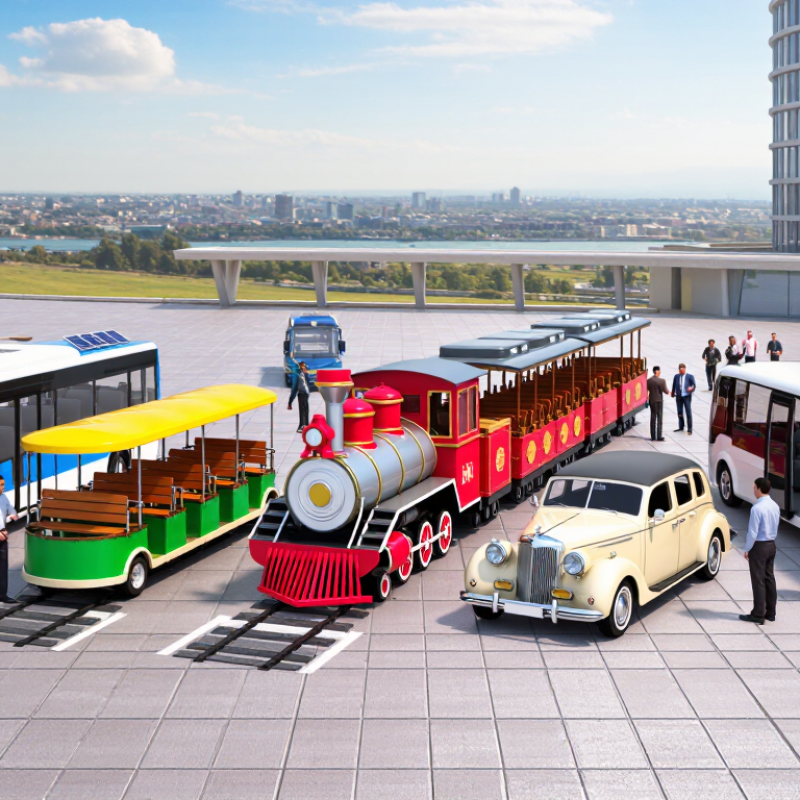
This guide reviews leading sightseeing vehicle types for international buyers, including electric buses, sightseeing carts, tourist trains, vintage-style vehicles, and specialized shuttle models. It connects practical purchasing experience with technical considerations, supplier reliability, and after-sales service. Buyers should verify local certification, road-use requirements, charging standards, insurance needs, and climate performance before signing an order. Specifications alone can mislead.

No single model wins everywhere.

An operator in a rainy coastal city may value sealed controls more than premium finishes. A mountain resort may prioritize braking systems, hill performance, and battery temperature management. We also recognize an uncomfortable limitation: product brochures rarely show the full ownership experience. Real results depend on driver training, route design, passenger flow, and maintenance discipline. The best choice is therefore not always the newest vehicle. It is the model that safely matches local demand, available infrastructure, and long-term operating plans.
2026 Top Sightseeing Vehicle Types for Global Buyers?

Sightseeing Vehicles: Definition, Purpose, and Main Use Environments

A sightseeing vehicle is a passenger vehicle designed for short-distance tours, guided viewing, or visitor transport. It usually operates at controlled speeds along planned routes. Unlike ordinary buses, it often prioritizes visibility, quiet movement, and easy boarding. Open sides, wide windows, and raised seating help passengers notice gardens, landmarks, and wildlife habitats. That sounds simple. Real use is more demanding.

Common types include electric shuttles, open-air road trains, compact tour buses, and specialized vehicles for uneven paths. Their purposes vary from connecting large parking areas to supporting guided visits through resorts, parks, zoos, campuses, and heritage districts. In coastal areas, corrosion protection deserves attention. In crowded attractions, turning radius and pedestrian visibility matter more. Indoor venues need low emissions and careful clearance. Weather matters.

A reliable selection process begins with the route, not the vehicle appearance. Check passenger capacity, slope performance, charging access, braking response, step height, and wheelchair accommodation. Operators should also examine cleaning time and daily maintenance needs. Local safety and accessibility requirements must be verified before purchase. In practical evaluations, a comfortable seat can hide poor ventilation or difficult boarding. The ideal layout is rarely perfect. A vehicle may look efficient on paper, yet perform poorly during peak visitor flow. Careful trials with staff and representative passengers often reveal these weaknesses.

2026 Top Sightseeing Vehicle Types for Global Buyers

Sightseeing vehicles are passenger vehicles designed for short-distance visitor transportation and guided tours. The chart compares representative passenger capacities across the main vehicle types used in resorts, theme parks, historic districts, zoos, campuses, waterfronts, and urban sightseeing routes.

Capacity figures are typical planning values rather than brand-specific specifications. Actual capacity may vary according to vehicle configuration, local regulations, accessibility requirements, and seating layout.

Key Sightseeing Vehicle Types Available to Global Buyers in 2026

Global buyers in 2026 can choose from several practical sightseeing vehicle types.

Open-sided electric shuttles suit resorts, zoos, campuses, and historic districts. They offer clear views, quiet operation, and easy boarding. Enclosed electric minibuses provide better comfort during rain, heat, or winter conditions. They also support longer routes and wheelchair-accessible layouts.

Tourist road trains remain useful for large parks, waterfronts, and exhibition areas. Their multiple carriages can move many passengers between fixed stops. Low-speed electric carts work well for short transfers, private attractions, and narrow internal roads. Buyers should check local speed limits, passenger capacity rules, charging standards, and accessibility requirements before ordering. Small details matter.

Demand is supported by wider tourism growth. UN Tourism reported about 1.4 billion international tourist arrivals in 2024, reaching 99% of 2019 levels. The World Travel and Tourism Council estimated that travel and tourism contributed about 10.9% of global GDP in 2024. Meanwhile, the International Energy Agency reported that electric car sales exceeded 17 million globally in 2024, showing stronger acceptance of electric mobility. These figures do not measure sightseeing vehicles directly. That limitation matters. Real purchasing decisions still depend on route length, gradient, climate, battery-service access, and daily passenger flow. A vehicle that performs well on a flat resort road may struggle on a steep heritage route. Trial operation is often wiser than relying on a brochure.

Power Systems, Seating Formats, and Accessibility Features Compared

2026 Top Sightseeing Vehicle Types for Global Buyers?

Power systems now shape the sightseeing experience, not only operating costs. The IEA’s Global EV Outlook 2025 reports that electric car sales exceeded 17 million worldwide in 2024. That trend supports battery-electric vehicles for quiet museums, parks, and historic districts. Their instant torque helps on short, stop-and-go routes.

Charging access remains a practical weakness. A vehicle may perform well, but a weak depot can cancel the advantage.

Seating formats should match passenger flow. Open 6–8-seat vehicles suit narrow paths and small groups. Covered 14–23-seat shuttles offer better weather protection and luggage space. Larger vehicles can move more visitors, but turning radius and boarding time increase.

The best choice is not always the biggest one. I have seen capacity forecasts fail when operators ignored peak-hour queues.

Accessibility deserves measurable attention. The World Health Organization estimates that 1.3 billion people, or 16% of the global population, experience significant disability. Buyers should request low-floor entry, ramps or lifts, wheelchair restraint systems, priority seating, handrails, and clear visual announcements.

ISO 21542 provides useful accessibility guidance for the built environment, though vehicle layouts still need route-specific testing.

A ramp can meet specifications yet feel unsafe on uneven pavement. Real passenger trials matter.

How to Evaluate Safety, Range, Capacity, and Operating Costs

2026 Top Sightseeing Vehicle Types for Global Buyers

In 2026, sightseeing vehicle buyers should compare operating evidence, not attractive specifications. Safety begins with the route. Check braking distance on wet pavement, hill-hold performance, lighting, mirrors, seat belts, and emergency access. Passenger steps should remain stable when the vehicle is full. Ask for inspection records and a controlled demonstration with representative passenger weight. Small details matter. A quiet motor cannot compensate for poor visibility or weak braking control.

Advertised range is only a starting point. Heat, slopes, frequent stops, air conditioning, and battery age can reduce daily distance considerably. Measure a complete route with passengers, then keep a practical reserve for delays and weather. A route needing 80 kilometers should not rely on an 80-kilometer claim. That margin costs money, but missed tours cost more. Do not ignore charging time. One vehicle may appear efficient until slow charging creates a second shift or requires additional vehicles.

Capacity must fit the site, not just the brochure. Count seated passengers, luggage, turning space, and accessibility needs. An oversized vehicle can waste energy and struggle in narrow lanes. For operating costs, record energy, tires, brakes, insurance, scheduled service, labor, and downtime. Use cost per passenger trip, not only purchase price. Ideally, review six months of route data. Early estimates can be wrong. That is useful feedback, not a reason to hide the weakness.

Regional Regulations, Customization Options, and Buying Considerations

Electric carts, open-sided shuttles, and enclosed Sightseeing Buses suit different 2026 tourism needs. Regional rules often decide the best choice. A vehicle approved for private resorts may need additional certification on public roads. Check speed limits, lighting, braking systems, seat belts, and passenger capacity before ordering. Accessibility rules may also require ramps, priority seating, or wider doors. Requirements can differ between cities, even within one country.

Customization should support the route, not only appearance. Buyers can request weather protection, removable windows, luggage racks, quiet electric systems, or reinforced suspension. Coastal operators may need corrosion-resistant materials. Hilly destinations require careful battery and braking evaluations. Ask for realistic range tests, charging times, warranty terms, spare-part access, and operator training. A low purchase price can become expensive when local technicians cannot service the vehicle. I have seen buyers focus on seating capacity and overlook turning space. That mistake affects daily operations.

Tips: Confirm road approval in writing. Compare total ownership costs, not just the invoice. Test the vehicle on similar slopes, surfaces, and passenger loads. Leave room for seasonal demand. Some customization requests sound useful but reduce visibility or increase maintenance. Recheck them. A local inspection partner can identify practical problems before shipment, although their advice still deserves independent verification.

2026 Top Sightseeing Vehicle Types for Global Buyers? - Regional Regulations, Customization Options, and Buying Considerations

Vehicle type Typical capacity and operating environment Common regional regulatory considerations Practical customization options Key buying considerations
Open electric shuttle Usually 8–23 passengers; suitable for resorts, campuses, parks, airports, and pedestrian-oriented districts. Typical operating speeds are low and route lengths are often short. Road-legal use may require vehicle type approval, lighting, mirrors, seat belts, braking equipment, and local registration. Low-speed vehicle rules differ substantially between jurisdictions. Weather curtains, wheelchair ramp or lift, accessible seating, route display, rear-facing seats, luggage racks, doors, and lithium or lead-acid battery options. Confirm passenger mass, certified range under full load, charging time, battery replacement cost, gradient capability, corrosion protection, and after-sales parts support.
Enclosed electric sightseeing bus Approximately 14–30 passengers; appropriate for urban tours and attractions requiring protection from rain, heat, cold, or dust. Enclosed passenger vehicles generally face stricter requirements for occupant protection, emergency exits, glazing, defrosting, ventilation, lighting, and accessibility. Public-road operation may require bus or minibus approval. Panoramic windows, climate control, audio commentary, multilingual displays, USB charging, low-floor entry, luggage space, and removable or fixed seating. Evaluate thermal management, HVAC energy consumption, visibility, emergency evacuation layout, battery warranty, charging infrastructure, and total permitted weight.
Electric tourist tram Commonly 20–60 passengers across several connected sections; designed for fixed sightseeing routes, waterfronts, historic centers, and large attractions. The towing arrangement, articulation, overall length, turning radius, braking performance, and passenger circulation can trigger additional approval requirements. Route permits and local operating licenses are often necessary. Open or enclosed carriages, themed exterior panels, audio systems, panoramic roofs, accessible platform, removable windows, and different trailer configurations. Check maximum route gradient, swept path, curb clearance, charging turnaround, coupling safety, axle loads, depot space, and whether the full train can be serviced locally.
Low-speed neighborhood electric vehicle Usually 2–8 passengers; suited to private tourism facilities, hotel transfers, gated communities, golf-oriented sites, and short-distance mobility services. Many jurisdictions distinguish private-site vehicles from road-registered vehicles. Use on public roads may require speed classification, registration, insurance, safety equipment, and an approved driving license. Cargo box, rear seat, medical or service configuration, foldable windshield, roof, doors, safety belts, beacon, telematics, and accessibility adaptations. Clarify where the vehicle may legally operate, compare turning radius and ground clearance, and verify payload after adding seats, batteries, doors, and accessories.
Hybrid or combustion sightseeing bus Often 20–70 passengers; useful for long routes, steep terrain, high daily utilization, or locations with limited charging access. Buyers must consider local emissions standards, noise limits, fuel-system requirements, periodic inspections, driver licensing, passenger-transport permits, and restrictions in low-emission or historic zones. Hybrid energy management, particulate filtration, climate control, panoramic glazing, tour-guide console, wheelchair equipment, and low-noise operating modes. Compare fuel or energy cost per route, maintenance intervals, emissions compliance, drivetrain service availability, noise performance, and access restrictions along the planned route.
Open-top sightseeing bus Commonly 30–80 passengers; designed for city tours, scenic routes, and high-volume visitor destinations in suitable weather conditions. Passenger seats, handrails, guard protection, emergency exits, roof height, upper-deck access, rollover protection, and weather exposure may be regulated more strictly than on ordinary buses. Retractable roof, removable side panels, multilingual commentary, seat belts where required, anti-slip flooring, accessible lower deck, and destination signage. Assess seasonal utilization, wind and rain protection, upper-deck accessibility, bridge and tree clearance, route height limits, cleaning requirements, and passenger-flow management.
Solar-assisted electric shuttle Generally 8–20 passengers; appropriate for sunny, low-speed sites such as resorts, ecological parks, exhibition areas, and large campuses. Solar panels normally supplement rather than replace grid charging. The complete vehicle still needs to meet applicable electrical, structural, fire, road-use, and accessibility requirements. Roof-integrated photovoltaic modules, energy monitoring, shade canopy, regenerative braking, smart charging, low-energy lighting, and removable passenger modules. Request measured solar yield for the target climate, verify roof-load effects, check battery thermal protection, and calculate charging needs during cloudy or high-demand periods.
Accessible sightseeing vehicle Capacity varies by platform; designed to carry wheelchair users, people with limited mobility, families, and mixed passenger groups. Accessibility rules may specify ramp or lift performance, wheelchair restraint points, aisle width, priority seating, handrails, boarding space, and stop or terminal access. Kneeling suspension, ramps or lifts, restraint systems, contrasting edge markings, audio and visual announcements, priority seats, and adjustable boarding arrangements. Measure real boarding geometry, not only brochure capacity. Verify lift reliability, ramp gradient, restraint certification, turning space, cleaning access, and operator training requirements.
Buyer note: Regulatory requirements depend on the destination country, vehicle classification, passenger capacity, maximum speed, public-road access, and operating purpose. Confirm final approval, registration, insurance, accessibility, battery, emissions, and charging requirements with the relevant local authority before placing an order.

Have Questions?

Talk to a product specialist today: 1-800-308-6788

Snake Tray Catalog

snake tray® CATALOG

the new catalog is here. AVAILABLE IN PRINT AND ONLINE.

DOWNLOAD A PDF REQUEST A PRINTED COPY
CALL US TODAY