How to Choose the Best Portable EV Charger for Your Needs?
Choosing the right Portable EV Charger can feel overwhelming. With numerous options available, it’s crucial to make an informed decision. According to Dr. Emily Carter, an industry expert in electric vehicle infrastructure, “The right charger can enhance your EV experience significantly.”
Understanding your needs is vital. Charging speed, compatibility, and portability are key factors to consider. For instance, some chargers offer rapid charging capabilities, while others focus on compact design. Being aware of your daily driving habits can also inform your choice. Do you frequently travel long distances or use your EV for short commutes?
Moreover, many users overlook safety features. A reliable Portable EV Charger should include protections against overheating and overcharging. It’s essential to balance performance with safety. Reflections on personal experiences can guide your choice, ensuring you select a charger that fits your lifestyle perfectly.
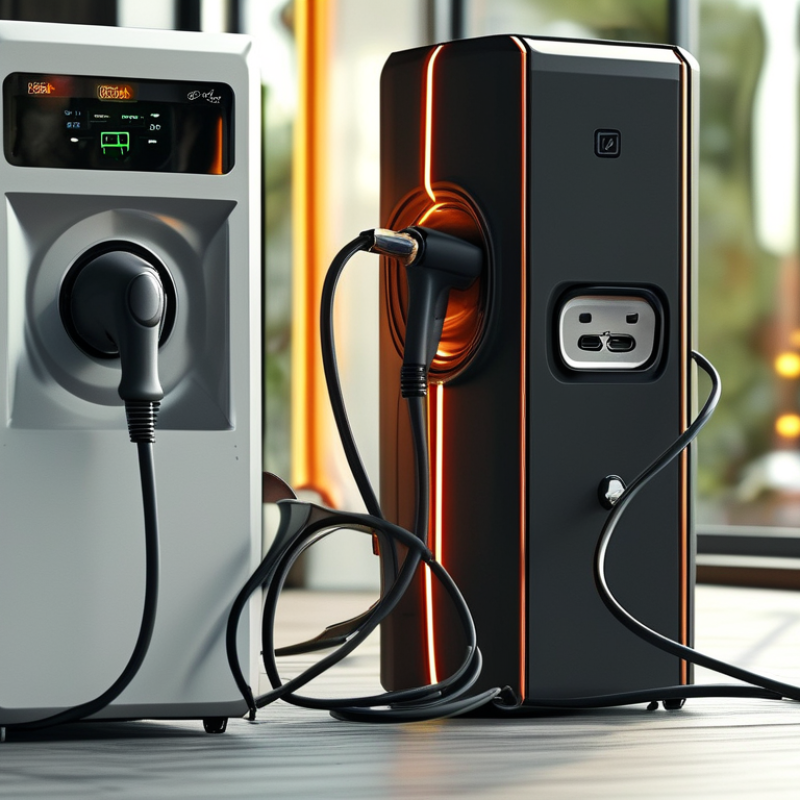
Understanding Your EV Charging Needs
When choosing a portable EV charger, understanding your specific charging needs is essential. Consider your vehicle's battery capacity and daily mileage. If you frequently drive long distances, a robust charger is vital. However, if your trips are short, a lower-powered option may suffice. Knowing how often and where you charge can direct your decision. For instance, if you plan to charge at home, a wall-mounted unit might be perfect.
Think about your charging environment as well. Will you use it at home, work, or on the road? If you're traveling, a lightweight charger that fits easily in your trunk is invaluable. Look for features like adjustable power output and compatibility with various outlets. Sometimes, chargers may not fully meet user expectations. Users might find they need adapters or encounter installation hurdles. Ensure you review user feedback on these aspects before making a choice. A careful assessment of your everyday driving patterns can lead you to a charger that fits your lifestyle.
Types of Portable EV Chargers Available on the Market
When considering portable EV chargers, it’s essential to understand the different types available. There are primarily three categories: Level 1, Level 2, and DC fast chargers. Level 1 chargers are the simplest. They plug into standard household outlets. This type is slow, often taking days to fully charge a vehicle. However, it is convenient for overnight charging at home.
Level 2 chargers are more popular among EV owners. They require a dedicated circuit and can often charge a vehicle in
4 to 8 hours. These chargers are ideal for home use and public charging stations. Some newer models come with
smart features, allowing users to track charging sessions through apps.
DC fast chargers are best for quick top-ups. They can deliver an
80% charge in about 30 minutes. Their high power output is appealing for
long road trips. However, these chargers are typically found in commercial settings, making them
less accessible for daily use. Each type has its merits and drawbacks, depending on individual needs and charging habits.
Important Features to Consider in a Portable Charger
When selecting a portable EV charger, several key features are paramount. Charger output power is critical. Most chargers range from 3.7 kW to 22 kW. Higher power output leads to faster charging, essential for timely trips. According to the U.S. Department of Energy, a 240-volt charger can reduce charging time significantly compared to a standard outlet.
Compatibility is another major consideration. Ensure the charger works with your vehicle type. Many chargers support both Level 1 and Level 2 charging, but some do not. Industry surveys indicate that 40% of EV owners experienced compatibility issues with their first chargers. Understanding the connection type and plug design is vital.
Portability also factors in. Weigh and size affect mobility. A charger may need to fit in your vehicle or a carry bag. Reports show that lightweight models are favored by 65% of users. Durability and weather resistance influence long-term usability. Look for models with strong ratings for outdoor use, as this can impact performance. Consider all these elements carefully to find the right portable EV charger for your needs.
How to Choose the Best Portable EV Charger for Your Needs? - Important Features to Consider in a Portable Charger
| Feature | Description | Importance | Recommendation |
| Charging Speed | Measured in kW, determines how fast your vehicle can be charged. | High | Look for chargers with at least 7.2 kW for quick home charging. |
| Portability | Weight, size, and design that make it easy to transport and install. | Medium | Choose a lightweight model with a compact design. |
| Compatibility | Ensure the charger works with different EV models and connectors. | High | Opt for universal connectors like Type 1 and Type 2. |
| Durability | Build materials and weather resistance for outdoor use. | High | Select models with rugged housings and IP ratings. |
| Smart Features | Mobile app connectivity for monitoring charging status and scheduling. | Medium | Consider chargers with Bluetooth or Wi-Fi capabilities. |
| Safety Features | Overload protection, short circuit protection, and temperature control. | High | Ensure it meets safety certifications and includes protective features. |
Assessing Compatibility with Your Electric Vehicle
When choosing a portable EV charger, compatibility with your electric vehicle (EV) is crucial. Different EVs come with various charging ports and requirements. Many electric vehicles use Type 1 or Type 2 connectors. You need to identify which one your car supports. Check your vehicle's manual for specific details. This step avoids disappointment at charging stations.
Furthermore, not all chargers deliver the same power output. Some chargers may offer Level 1, while others provide Level 2 charging. Level 1 is slower but more universally compatible. It plugs into standard outlets. Level 2 chargers charge your EV faster but require specific infrastructure. Make sure your EV can handle the power levels. This is critical for maximizing your charging efficiency and ensuring safety.
Understanding these nuances is vital. Many buyers overlook this information, leading to mismatches. Testing different chargers can reveal which works best for your circumstances. However, don’t rely solely on online reviews. Hands-on experience often offers the best insights. Taking time to research and assess compatibility will save you from future headaches. Prioritize your needs before making a decision.
How to Choose the Best Portable EV Charger for Your Needs?
This chart illustrates the average charging speed of different types of portable EV chargers. Understanding the charging speeds of Level 1, Level 2, DC Fast Chargers, and Portable Chargers can help you choose the best option based on your needs.
Evaluating Price and Warranty Options for Portable Chargers
When selecting a portable EV charger, price and warranty are crucial aspects to consider. The price can vary significantly based on features and charging speed. A lower-priced option might seem attractive but could lack essential features. For example, basic models may take longer to charge your vehicle, which could affect your daily routine. Assessing your charging needs is essential. Spending a bit more upfront can ensure faster charging and reliability.
Warranty options also play a significant role in your decision. A longer warranty reflects confidence in the product's durability. Some manufacturers offer warranties up to five years, while others might only cover one year. It's worth exploring what is included in the warranty. Sometimes, coverage does not extend to specific parts or situations. This limitation can result in unexpected expenses later.
Researching user reviews can provide insights into real-world performance and potential issues. Not all products live up to their claims. Engaging with online communities can also help you gauge customer satisfaction. Finding a balance between cost and reliability requires careful consideration. Don't rush your decision; take time to evaluate what truly meets your needs.
