How to Choose the Right Cable Tray Wire for Your Electrical Installations?
When it comes to electrical installations, choosing the right cable tray wire is critical. Industry reports show that improper wire selection can lead to severe safety hazards and numerous electrical failures. According to a recent study from the Electrical Safety Foundation International (ESFI), nearly 30% of electrical fires result from faulty wiring. These statistics highlight the importance of making informed choices regarding cable tray wire materials and sizes.
Expert opinions are invaluable in this field. John Anderson, a senior electrical engineer, notes, "Using the appropriate cable tray wire ensures not just efficiency, but safety." This statement resonates deeply, as selecting the right wire can significantly impact installation longevity and reliability. Professionals often make mistakes here, underestimating the load capacity or environmental factors. This oversight can lead to costly consequences and necessitates careful consideration.
Overall, understanding the various types of cable tray wire is essential. Factors such as wire material, load requirements, and installation location play crucial roles in this decision-making process. Many in the industry find it challenging, yet this complexity underscores the necessity of proper education and diligence. Making the right choice in cable tray wire ultimately safeguards both your investment and the safety of the installation.
Understanding Cable Tray Types for Electrical Installations
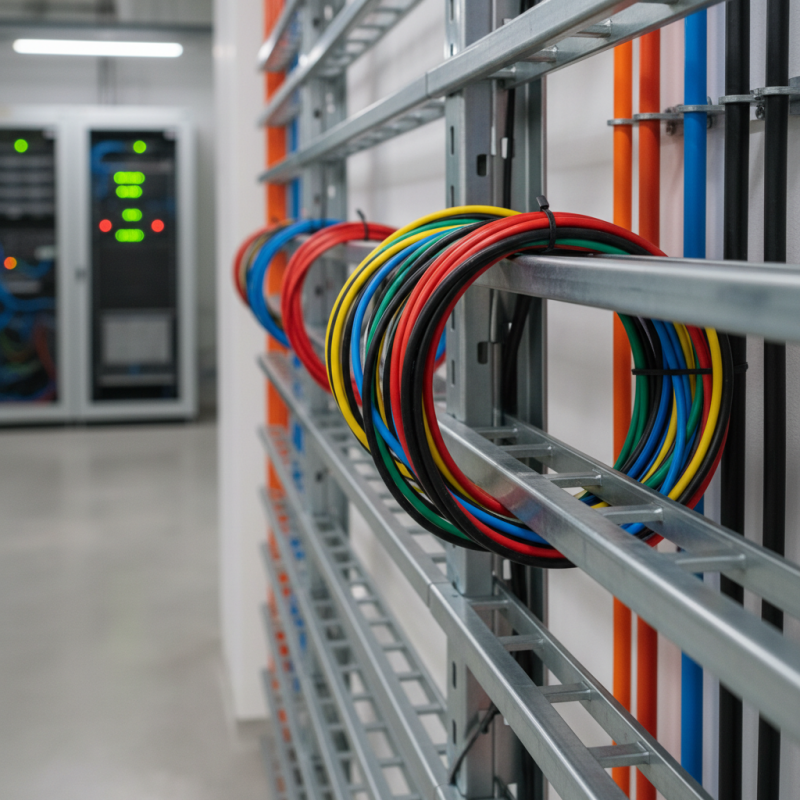
Choosing the right cable tray for electrical installations can be a daunting task. Cable trays come in various types, each suited for different applications. Popular types include ladder trays, solid bottom trays, and perforated trays. Ladder trays are ideal for larger cables, offering ventilation. Solid bottom trays are best for protecting cables from dust and moisture. Perforated trays allow easier access for maintenance.
Understanding the specific needs of your installation is crucial. The environment plays a key role in the type of tray you should select. For example, in areas with high humidity, a solid tray may offer better protection. On the other hand, areas exposed to high temperatures may require ventilated options. It’s important to weigh these factors.
Consider installation challenges, too. Tight spaces may limit your options, pushing you towards smaller, more compact designs. Your choices may also depend on future expansion; planning now can save headaches later. Each type has its pros and cons, and sometimes it’s easy to overlook these. Reflecting on your installation goals can help clarify your choice.
Electrical Cable Tray Types and Their Usage
Key Factors to Consider When Choosing Cable Tray Wire
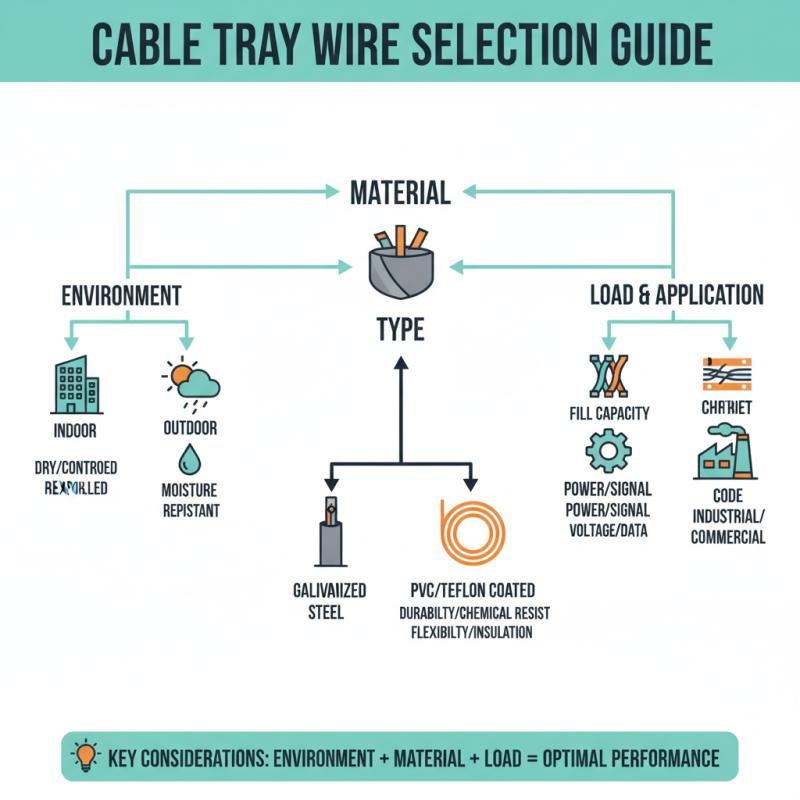
Choosing the right cable tray wire for your electrical installations requires careful consideration of several factors. Understanding the environment where the wire will be installed is crucial. For example, is it indoors, outdoors, or exposed to moisture? Different materials perform differently under these conditions.
It’s essential to consider the wire gauge. A thicker gauge can handle a higher electrical load but may be challenging to install in tight spaces. Look at the amperage and voltage requirements of your systems. This will guide you in selecting the appropriate size and type.
**Tip:** Always check local codes and regulations. They can affect what types of wires are acceptable in your area.
Another factor is the wire insulation type. Different insulations provide varying levels of protection against heat, chemicals, and abrasion. This choice can impact longevity and safety.
**Tip:** Don’t overlook cost considerations, but don’t compromise on quality either. A good balance ensures a safer installation.
Sometimes, a mistake stems from improper installation or choosing the wrong wire type. Reflect on past projects to avoid similar errors. Prioritize learning from each experience as you make your selections.
Sizing and Load-Bearing Capacity of Cable Trays
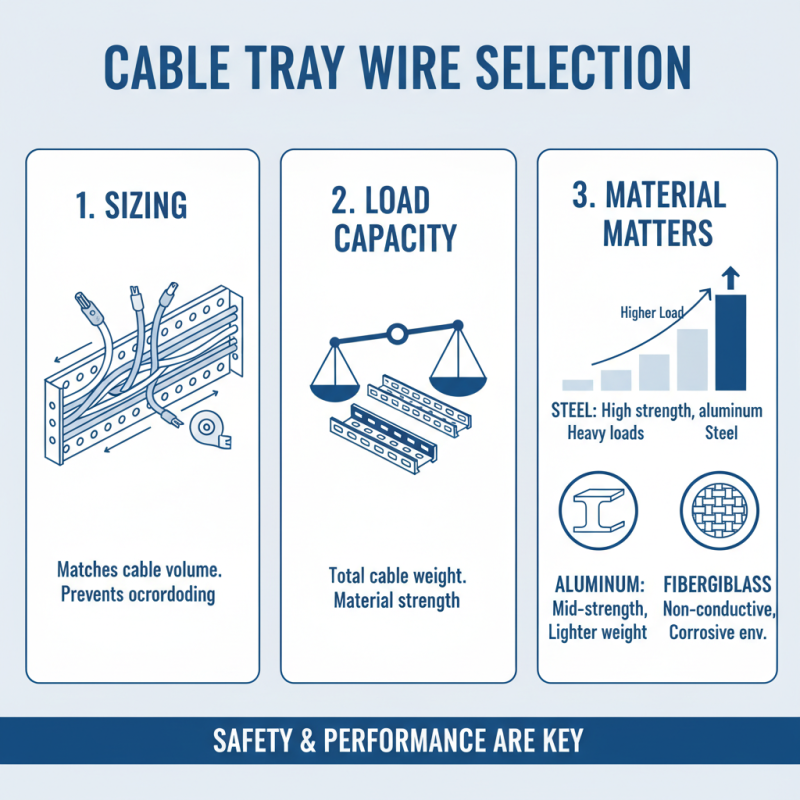
Choosing the right cable tray wire involves understanding the sizing and load-bearing capacity. These factors are crucial for safety and performance. Load capacity varies widely among different materials. For instance, steel trays can support larger loads compared to aluminum or fiberglass options.
Industry reports suggest planning for a full load factor of at least 50%. This helps in preventing overloading, which can lead to cable damage or failure. Additionally, a study found that miscalculating load requirements led to 20% of installation failures in electrical settings. Designers need to reflect on past mistakes, ensuring they follow the recommended guidelines.
When determining size, the width and height of trays matter. A tray's dimensions impact wire movement and heat dissipation. For example, a 12-inch tray may be appropriate for heavy-duty applications, while a 6-inch tray is suitable for lighter loads. Remember, finding the right balance between wire capacity and material strength is vital for long-term stability.
Material Options for Cable Trays: Pros and Cons
When selecting the right cable tray wire, material choice is crucial. Each material has its unique benefits and drawbacks. For instance, steel offers excellent strength. It's durable and can withstand heavy loads. However, it is prone to rust without proper coatings. This maintenance aspect might be an inconvenience for some installations.
Aluminum is another popular option. It is lightweight, making installation easier. Aluminum does not rust, which provides a longer lifespan in various environments. Yet, its softness can be a concern for heavy-duty applications. It may not hold up as well under significant stress.
Plastic cable trays present a versatile alternative. They are resistant to corrosion and are often less expensive. However, they may not be suitable for high-temperature environments. This limitation raises questions about their long-term viability. The choice of material should depend on specific project needs. Reflecting on these factors can enhance your decision-making process.
How to Choose the Right Cable Tray Wire for Your Electrical Installations?
| Material |
Pros |
Cons |
| Steel |
Durable, strong load capacity, resistant to impact |
Prone to corrosion if not treated, heavier than other materials |
| Aluminum |
Lightweight, resistant to corrosion, good conductivity |
Lower strength compared to steel, can be more expensive |
| PVC |
Non-conductive, corrosion resistant, lightweight |
Less durable under heavy loads, can degrade with UV exposure |
| Fiberglass |
Non-corrosive, good strength-to-weight ratio, resistant to chemicals |
Higher initial cost, can be brittle |
| Stainless Steel |
Highly resistant to corrosion, strong and durable |
More expensive, heavier than other materials |
Installation Best Practices for Cable Tray Wiring
When installing cable trays for electrical wiring, there are several best practices to follow. Begin by ensuring that your work area is organized. A clutter-free space aids efficiency. Use proper tools and equipment to avoid accidents. Employing the right tools can prevent future issues. Check local codes and standards for compliance. This step is often overlooked, but it’s crucial.
Planning the routing of cables is essential. Consider bends and turns in the tray layout. These can create stress points that may need extra support. As you install the trays, secure them properly to avoid sagging. This detail seems minor but can lead to significant problems. Always leave some room for expansion and movement of cables. Over-tightening can damage the cables over time.
If you encounter challenges, revisit your plan. Don’t hesitate to seek guidance or collaborate with colleagues. Reflecting on each step could prevent mistakes. Document any issues you experience during installation. This can help improve your future projects. Proper installation is not just about present needs; it sets the tone for future maintenance and upgrades.