A Hot Melt Roller Coating Machine applies heated, solid adhesive or coating material onto a moving substrate. It uses controlled heat, a roller, and measured pressure to create a continuous layer. The substrate may be film, foil, paper, fabric, foam, or another compatible web. Unlike solvent-based systems, hot melt equipment normally avoids liquid solvents during application. That can simplify handling, but it does not remove every safety responsibility. Operators still manage heat, moving parts, ventilation, and material compatibility. Small changes matter. Roller temperature, coating gap, line speed, and adhesive viscosity can alter coverage and bond strength. A practical review should connect each setting with a visible result, such as streaks, bubbles, edge build-up, or weak adhesion. Good equipment knowledge begins there.
This article examines how the machine works, where it fits in production, and which features influence performance. It also considers feeding systems, temperature control, roller design, cleaning routines, and inspection methods. Reliable operation depends on more than a product brochure. It requires tested settings, trained operators, documented maintenance, and consistent incoming materials. Manufacturers may report impressive output rates, yet real production can vary with humidity, substrate tension, and adhesive grade. That limitation deserves attention. A suitable machine must match the coating width, target weight, thermal range, and production volume. It should also support safe access, repeatable adjustment, and clear fault monitoring. The goal is not merely a coated surface. It is a stable, usable, and verifiable result. Some applications need further trials before purchase. That is not a weakness; it is sound engineering judgment.
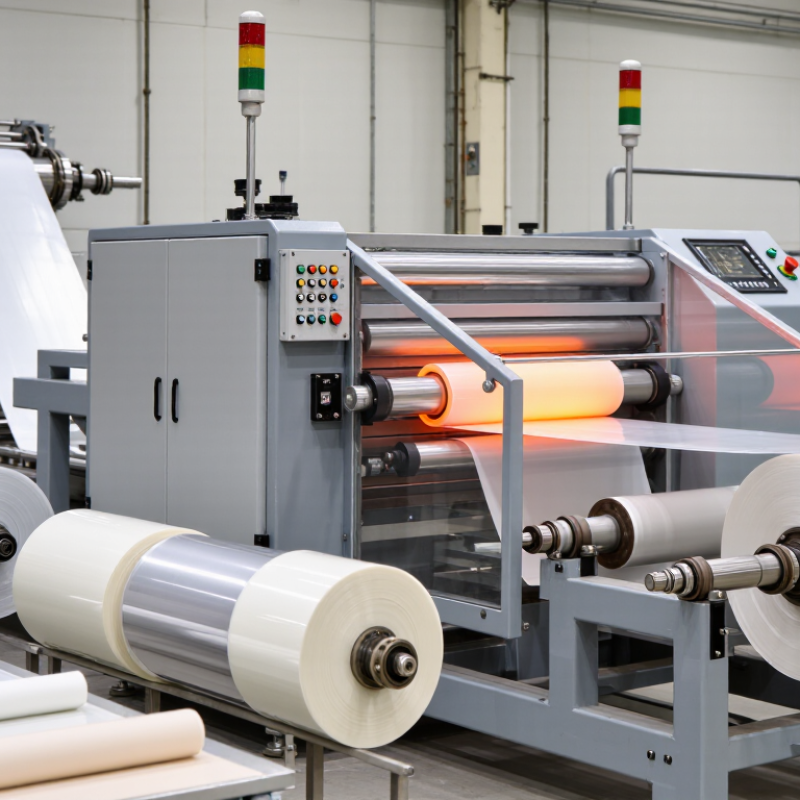
A hot melt roller coating machine applies thermoplastic adhesive to a surface after heating it into a fluid state. Its basic purpose is controlled, even bonding. The solid adhesive enters a heated melting unit, where temperature and viscosity must remain stable. A metering roller then transfers a measured adhesive layer onto film, foil, paper, fabric, or another suitable substrate.
The process looks simple. It is not always simple. Roller speed, coating pressure, adhesive temperature, and substrate tension affect the final result. A narrow temperature change can create thin spots, strings, or unwanted buildup on the roller.
Experienced operators check the coating edge, surface gloss, and adhesive weight during production. They also watch for dust, uneven feeding, and changes in ambient conditions. Small details matter here.
This equipment can support clean, continuous production because it uses little or no solvent. It may reduce drying space and shorten bonding cycles. However, the machine is not a magic box. Incorrect settings can waste material or weaken the bond.
Regular cleaning, accurate temperature readings, and careful adjustment are essential. In practice, operators often need several trial runs before finding a stable combination of speed, heat, and pressure. That learning stage is easy to underestimate.
A hot melt roller coating machine applies solid adhesive or polymer directly onto a moving material. Unlike liquid coating equipment, it uses heat instead of solvents to create a workable coating layer. The process can support films, foils, fabrics, papers, and other continuous substrates. Coating thickness depends on temperature, roller speed, pressure, and material viscosity.
The main components include a heated melting tank, precision pump, heated hose, coating roller, pressure roller, and temperature sensors. The tank melts solid material into a consistent fluid. The pump then moves it through the heated hose without allowing premature cooling. At the coating station, a rotating roller transfers the material onto the substrate. A pressure roller controls contact and helps form an even layer.
The gap matters. Small changes matter.
As the substrate unwinds, tension controls keep it flat and stable. Cooling rollers may reduce surface temperature before rewinding. Operators usually adjust heat in several zones, because one temperature rarely suits every material. Excessive heat can degrade the coating, while insufficient heat may create streaks or poor adhesion.
In practical production, clean rollers and accurate sensors often matter more than higher machine speed. I have found that small viscosity changes can alter the coating weight noticeably. That makes regular checks essential. However, even careful settings can produce uneven edges during startup, so the first few meters often require inspection and adjustment.
What Is a Hot Melt Roller Coating Machine?
A hot melt roller coating machine applies heated adhesive through a rotating roller. The roller transfers a controlled film onto fabric, foam, film, paper, or sheet materials. Unlike liquid coating systems, it uses little or no solvent. This can reduce drying time and simplify production control. Film thickness depends on roller temperature, speed, pressure, and adhesive viscosity. Small changes matter. An experienced operator checks the coating surface under steady lighting, not only by measurement.
Main Hot Melt Materials Used in Roller Coating
Ethylene-vinyl acetate is widely used for general bonding. It melts easily and offers practical adhesion on many porous surfaces. Polyolefin hot melts provide good moisture resistance and a cleaner appearance. They can suit films and some heat-sensitive substrates, but surface preparation remains important. Polyester materials offer stronger heat resistance and firm bonding. Polyamide hot melts can perform well where durability and chemical resistance are required. Reactive polyurethane hot melts develop additional strength after exposure to moisture. However, their storage and processing conditions need closer control. Material selection is not always obvious. A promising trial may still fail after aging.
Tips: Match the adhesive to the substrate, not only the machine. Begin with moderate temperature and speed. Check coating weight, edge coverage, odor, and bond strength. Record every setting. The first result can mislead. A short heat-aging or humidity test often reveals weaknesses that a quick production check misses.
| Hot Melt Material | Material Type | Typical Softening or Melting Range | Typical Processing Temperature | Typical Melt Viscosity | Common Roller-Coating Applications | Key Characteristics |
|---|---|---|---|---|---|---|
| EVA Hot Melt | Ethylene-vinyl acetate copolymer | Approximately 70–110°C | 120–180°C | About 2,000–20,000 mPa·s at 160°C | Paper, cardboard, textiles, films, labels, and general laminating | Good balance of adhesion, flexibility, and cost; formulation may include tackifiers and waxes. |
| Polyolefin Hot Melt | Polyethylene or polypropylene-based adhesive | Approximately 90–145°C | 150–210°C | About 1,000–15,000 mPa·s at 180°C | Films, nonwoven materials, packaging, hygiene products, and moisture-sensitive substrates | Good moisture resistance and chemical stability; generally low odor and suitable for clean processing. |
| APAO Hot Melt | Amorphous poly-alpha-olefin | Approximately 90–155°C | 160–210°C | About 1,000–30,000 mPa·s at 190°C | Wood panels, textiles, automotive interiors, filters, and protective laminates | Broad open time, good heat resistance, and strong adhesion to porous and moderately difficult surfaces. |
| Polyamide Hot Melt | Thermoplastic polyamide | Approximately 100–180°C | 180–230°C | About 2,000–25,000 mPa·s at 210°C | Technical textiles, electrical components, footwear, filters, and durable laminates | High temperature and chemical resistance; requires careful temperature control and dry storage. |
| Thermoplastic Polyurethane (TPU) | Thermoplastic polyurethane elastomer | Approximately 100– sop? 180°C | 160–210°C | About 3,000–40,000 mPa·s at 190°C | Textiles, footwear, medical laminates, flexible films, and elastic assemblies | Flexible, abrasion-resistant, and capable of strong bonding; moisture-sensitive grades may require drying. |
| Polyester Hot Melt | Thermoplastic polyester | Approximately 100–160°C | 160–220°C | About 2,000–30,000 mPa·s at 200°C | Textile bonding, powder-free laminates, automotive fabrics, and industrial assemblies | Good resistance to oils, solvents, and heat; properties depend strongly on polymer grade and additives. |
| Reactive Polyurethane Hot Melt | Moisture-curing polyurethane prepolymer | Softens during heating; no single universal melting point | 90–140°C, depending on formulation | About 1,000–20,000 mPa·s at the application temperature | Wood, textiles, furniture components, automotive interiors, and high-performance laminates | Forms a crosslinked bond after exposure to moisture; equipment must limit air and moisture contact. |
| Styrene Block Copolymer Hot Melt | SBS, SIS, or SEBS-based thermoplastic elastomer | Approximately 80–125°C | 130–190°C | About 1,000–15,000 mPa·s at 160°C | Pressure-sensitive coatings, tapes, labels, protective films, and flexible assemblies | Provides elasticity and tack; formulation selection is important for aging, oil resistance, and UV stability. |
What Is a Hot Melt Roller Coating Machine?
Step-by-Step Coating Process and Operating Workflow
A hot melt roller coating machine applies heated adhesive through a controlled roller gap. The operator loads the solid adhesive into the melting unit and checks the material specification. Temperature settings should match the adhesive, substrate, and production speed. Excessive heat can damage the adhesive or create unwanted fumes. Safety comes before speed.
Once melted, the adhesive flows toward the coating roller. The operator adjusts the roller gap to control coating thickness. A narrow gap usually creates a thinner layer, but pressure must remain stable. The substrate then passes beneath the roller at a steady speed. Tension controls help prevent wrinkles, edge movement, and uneven coverage. Watch the coating edge closely.
The coated material moves through a cooling or bonding section. The operator checks adhesion, surface appearance, and coating weight at regular intervals. A small sample can reveal streaks, pinholes, or poor wetting. If defects appear, reduce the line speed or adjust temperature gradually. Do not change several settings at once. That makes troubleshooting confusing. In practice, even experienced operators may need repeated adjustments when humidity, substrate texture, or adhesive age changes. Clean the roller after production, while following the machine’s maintenance instructions.
The chart shows representative temperature setpoints for a generic EVA hot-melt roller coating workflow. The process typically moves from adhesive feeding and melting to heated transfer, coating, substrate bonding, and cooling. Actual settings depend on adhesive chemistry, substrate, coating thickness, and production speed.
A hot melt roller coating machine melts solid adhesive in a heated tank. A metering roller then spreads a controlled film across paper, film, foil, fabric, or foam. The process suits pressure-sensitive labels, hygiene products, furniture edges, textile lamination, and flexible packaging. Grand View Research valued the global hot melt adhesives market at about USD 10.3 billion in 2023, with continued growth expected through 2030. That expansion supports demand for accurate coating equipment.
The main benefit is speed. Hot melt adhesive sets through cooling, not solvent evaporation. Production lines can therefore reduce drying ovens, floor space, and solvent-related emissions. Operators can also adjust roller speed, temperature, and gap settings for different coat weights. A clean edge matters. Uneven pressure may create streaks, pinholes, or visible adhesive lines. Small changes can affect bond strength.
Limitations remain. Heat-sensitive substrates may shrink, curl, or discolor. High-viscosity adhesives can clog narrow coating gaps during temperature drops. Cleaning also takes time because cooled adhesive becomes difficult to remove. Smithers’ hot melt adhesive market analysis highlights growing demand for efficient, low-emission bonding, but efficiency is not automatic. Incorrect temperature control can waste material and damage the web. The machine also performs poorly when a product needs a very thin, water-based, or deeply penetrating coating. Careful trials are still essential.
Fill out the form below and our team will get back to you ASAP.
Snake Tray® is Green and Proudly Powered by the Sun! Snake Tray is committed to designing and manufacturing products that have many green benefits. Our products are made of recycled goods, minimize material waste, are energy efficient, use less non-renewable resources and nest together read more…
Snake Tray® 291 Skip Lane, Bay Shore NY 11706 | PHONE: 631-674-0004 | FAX: 631-674-0010 | www.bakoselectric.com | LEGAL | MADE IN USA
© 2025 SnakeTray. All rights reserved
Fill out the form below to download your document.