How to Choose an Electric Tricycle in 2026?

Choosing an Electric Tricycle in 2026 requires more than comparing prices and battery sizes. It means matching the vehicle to real daily conditions: narrow streets, steep ramps, heavy parcels, rain, and limited charging access. The International Energy Agency’s Global EV Outlook 2024 identifies electric three-wheelers as a rapidly expanding part of road electrification, especially across China, India, and Southeast Asia. Their growth reflects practical demand, not only environmental ambition.

The market is changing quickly. According to the IEA, electric three-wheelers already achieve strong sales penetration in several major markets, where lower operating costs support commercial and passenger use. Grand View Research also projects continued growth in the global electric tricycle market, driven by urban delivery, mobility services, and aging populations. These figures are useful, but they do not choose a vehicle for you. A model with a 60-kilometer claimed range may travel less after carrying two adults uphill. That detail matters.

Begin with the working scene.

Check battery chemistry, charging time, payload capacity, braking performance, tire width, and weather protection. Confirm whether replacement parts and trained technicians are available nearby. Safety certification and local road requirements deserve equal attention. I have seen buyers focus on motor power while overlooking frame stability and seat comfort. That is an expensive mistake. Even published market data has limits, because testing methods and regional definitions differ. A reliable decision combines manufacturer specifications, independent reviews, warranty terms, and a short real-world test ride.
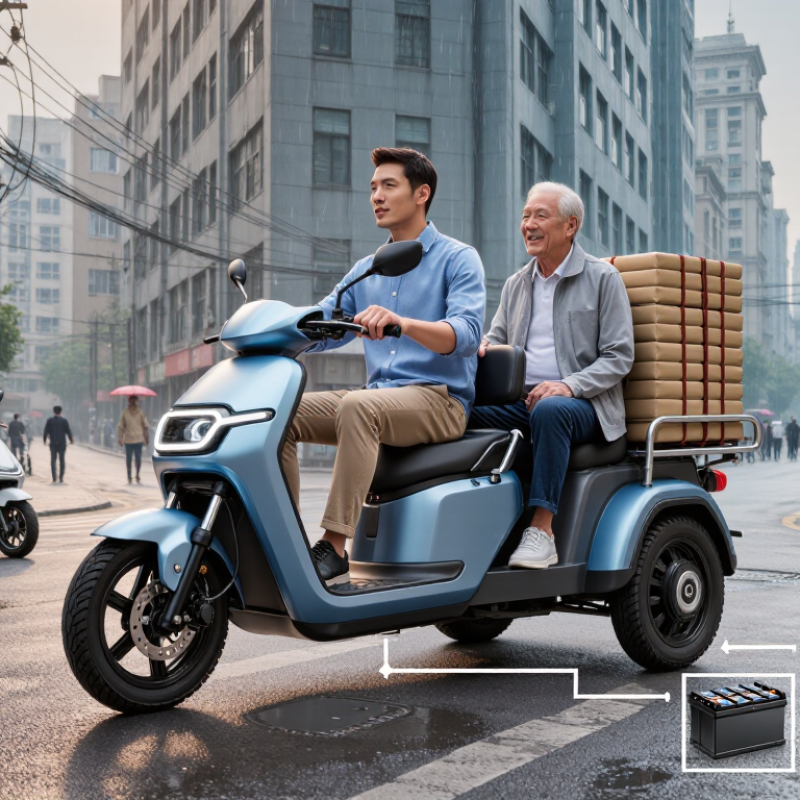
How to Choose an Electric Tricycle in 2026?

Define Your Main Purpose and Typical Riding Environment

Choosing an electric tricycle in 2026 begins with an honest question: what will you carry, and where will you ride? A model for grocery trips differs from one for school runs, garden work, or mobility support. Write down your usual load, not your optimistic load. Two shopping bags and a child seat can change stability. I once underestimated the steep streets near my home. The motor felt adequate on paper, yet slow turns became tiring.

Study your typical environment in detail. Measure narrow gates, garage doors, and storage corners. Note hills, gravel, potholes, rain, and winter temperatures. A wide rear axle may feel stable on smooth pavement but awkward beside parked cars. Larger tires can soften rough paths, while a compact frame may suit elevators and tight lanes. Check the seat height, handlebar reach, brake controls, lighting, and visibility. Try mounting with both feet planted. Small discomfort grows during a forty-minute ride.

Tips: Take a slow test ride on your real route, if possible. Carry a familiar load with safe, balanced placement. Test starting uphill and stopping gently. Ask about rated payload, battery replacement, charging time, and service access. Range claims are estimates. Cold weather, hills, heavy cargo, and frequent stops reduce them. Leave a practical margin. I would rather charge earlier than push a heavy tricycle home. Also, reconsider your first choice after a week of imagined use. The perfect configuration may not exist, and that is worth admitting.

Compare Electric Tricycle Types and Frame Designs

How to Choose an Electric Tricycle in 2026?

In 2026, choosing an electric tricycle starts with comparing wheel layouts and frame designs.

A delta tricycle has one front wheel and two rear wheels. It usually feels stable at low speeds and offers generous rear cargo space. However, the inner rear wheel may lift during a sharp turn.

A tadpole design places two wheels in front and one behind. It improves braking confidence and cornering control, but its steering system can feel less familiar.

Stability matters.

Frame geometry changes the riding experience. A low step-through frame makes mounting easier, especially when carrying groceries or managing limited leg movement. A diamond-style frame often feels stiffer under heavier loads, though it may require a higher leg lift.

Steel frames can soften road vibration, while aluminum frames usually reduce overall weight. Weight is not everything.

Check the welds, axle alignment, battery position, and clearance beneath the pedals. Folding frames save storage space, but hinges add parts that need regular inspection.

For cargo work, choose a longer wheelbase and a reinforced rear platform. For neighborhood trips, a compact frame may turn more easily between parked cars and narrow paths.

Measure your storage doorway before buying. I once underestimated handlebar width, and the tricycle barely entered a shed. That small mistake changed my view of “compact” designs.

Test the turning radius, brake reach, seat adjustment, and loaded balance on uneven pavement. A frame that feels perfect empty may become awkward with two full shopping bags.

Evaluate Motor Power, Battery Range, and Charging Needs

How to Choose an Electric Tricycle in 2026?

Motor power should match your daily terrain, load, and riding speed. A 500-watt motor may handle flat streets well, but steep hills need stronger torque. Rated wattage alone can mislead. Check peak power, controller performance, and the manufacturer’s maximum-load test. IEA’s Global EV Outlook 2024 reports that electric two- and three-wheelers represented nearly 60% of global electric vehicle sales in 2023. More buyers now need practical performance, not impressive numbers.

Battery range deserves careful calculation. Multiply voltage by amp-hours to estimate battery energy in watt-hours. A 48V, 20Ah battery stores about 960Wh before efficiency losses. Real range falls with heavy cargo, hills, tire pressure, cold weather, and frequent acceleration. AAA testing found that electric vehicle range dropped by about 41% at 20°F (-6.7°C). That figure may not transfer perfectly to every tricycle. Still, it exposes a common mistake: trusting laboratory range too much. Leave a 20–30% reserve for unfamiliar routes.

Charging needs can decide whether a tricycle feels convenient. Compare charging time with your parking routine, not an ideal advertisement. A removable battery helps apartment users, but it adds lifting and storage concerns. The U.S. Department of Energy explains that charging speed depends on battery size, charger output, and available power. Measure your socket access. Check replacement-battery availability, charging temperature limits, and whether the charger has recognized safety certification. Overnight charging works for many riders. It fails for delivery work without a spare battery.

Check Safety Features, Comfort, Size, and Load Capacity

How to Choose an Electric Tricycle in 2026?

Safety should be checked before appearance or extra accessories. Test both brakes on a quiet, dry surface. The tricycle should stop evenly without pulling sideways. Look for bright front and rear lights, reflectors, a horn, and reliable tire tread. A low center of gravity can reduce tipping, especially when turning slowly. Check battery protection, wiring quality, and charger ventilation. These details are easy to ignore.

Comfort affects control during longer rides. Choose a padded seat with back support and adjustable handlebars. A step-through frame helps riders mount safely, particularly when balance is limited. Check whether the pedals feel natural and whether the display remains readable in sunlight. Take a real test ride. Ten minutes can expose a hard saddle or awkward steering.

Measure the storage space, doorway, and turning area before buying. A wide tricycle may feel stable but become difficult in narrow paths. Load capacity must include the rider, battery, basket, and every bag. Leave a sensible margin below the maximum rating. Heavy cargo should sit low and stay centered. Never hang a full bag from one side. I once underestimated handlebar width on a similar vehicle; reversing indoors was frustrating. Manufacturer specifications are useful, but they cannot replace checking your own route, posture, and daily habits.

Review Maintenance, Warranty, Regulations, and Total Cost

Choosing an electric tricycle in 2026 requires more than comparing motor power and cargo space. Maintenance can shape daily reliability. Check whether tires, brake pads, cables, and lights use common replacement parts. A serviceable chain, sealed connectors, and an accessible battery reduce repair time. Ask for the recommended inspection schedule. Keep tire pressure near the listed range, especially before carrying heavy loads. Small neglect becomes expensive.

Warranty terms deserve careful reading. Confirm coverage for the motor, battery, controller, frame, and charger separately. Battery coverage may depend on charge cycles, storage temperature, or capacity loss. Ask who pays shipping and labor. Local repair support matters more than impressive wording. Keep receipts, service records, and photographs of reported defects. I would not assume every warranty claim will be simple. That assumption can become costly.

Regulations vary by country, region, and even city. Verify speed limits, motor classifications, helmet rules, lighting requirements, registration, and permitted roadways with the relevant transport authority. Do not rely only on a seller’s description. Calculate total cost over several years: purchase price, assembly, insurance, electricity, secure parking, tires, brake parts, and eventual battery replacement. Cold weather may reduce range, creating extra charging or trip-planning costs. A test ride should include a slope, tight turn, hard stop, and realistic cargo. The cheapest tricycle may still be the wrong choice.

Have Questions?

Talk to a product specialist today: 1-800-308-6788

Snake Tray Catalog

snake tray® CATALOG

the new catalog is here. AVAILABLE IN PRINT AND ONLINE.

DOWNLOAD A PDF REQUEST A PRINTED COPY
CALL US TODAY