How to Choose the Best Tactical Watch for Your Needs?
Choosing the best Tactical Watch begins with your real environment, not a dramatic product description. The category is not perfectly defined. Some models are rugged analog watches, while others combine GPS, health tracking, and emergency communication features. Your choice should match your work, training, travel, and comfort requirements.
Market data shows why this decision deserves careful attention. IDC’s Worldwide Quarterly Wearable Device Tracker reported more than 530 million wearable devices shipped globally in 2024. Meanwhile, the Outdoor Industry Association’s 2024 participation report recorded 175.8 million American outdoor participants in 2023. These figures suggest growing demand for dependable equipment, but popularity does not guarantee suitability. A crowded feature list can still hide weak battery performance or poor readability.
A practical evaluation starts with the details you can feel. Check whether the dial remains clear under rain, dust, or low light. Examine the strap after several hours of movement. Compare stated water resistance with your actual activities. Look for tested materials, a credible warranty, and documented standards such as ISO 22810 for water resistance or ISO 6425 when diving performance applies. GPS accuracy, solar charging, shock resistance, and service access may matter more than appearance.
No watch is perfect. That matters. A large case can protect components but catch on clothing. Smart functions can help, yet they may add charging demands and distractions. This guide weighs those compromises through practical use, manufacturer evidence, and recognized industry data. The goal is not the most aggressive-looking Tactical Watch. It is the most reliable fit for your specific needs.
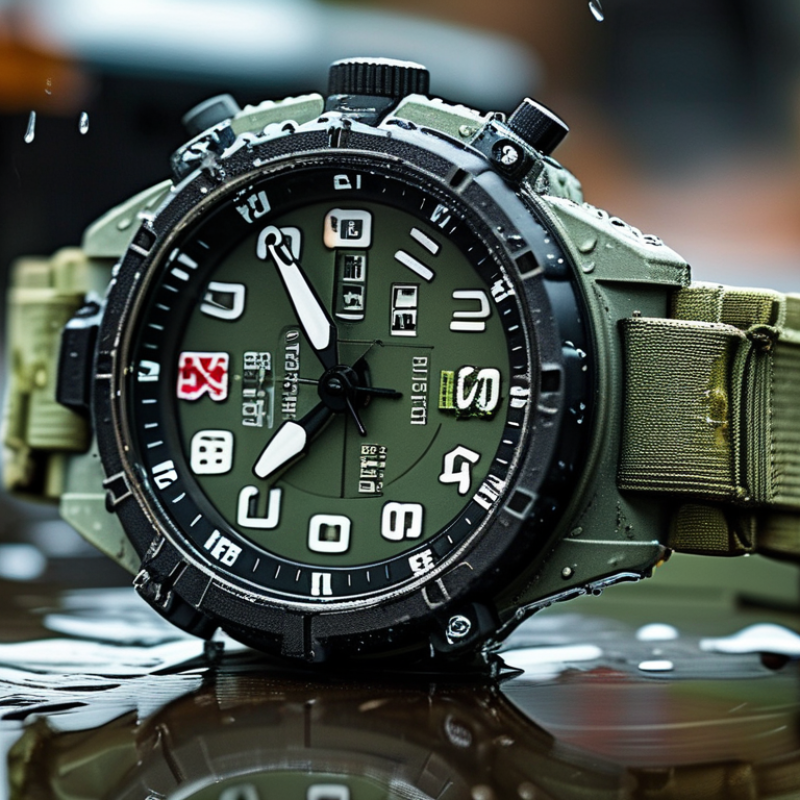
Define Your Mission, Environment, and Essential Watch Functions
Define your mission before comparing a tactical watch.
Patrol work may require silent alarms, readable hands, and dependable navigation. Training sessions may need heart-rate tracking and interval timing. Search-and-rescue tasks demand strong GPS performance, long battery life, and clear mapping. Do not confuse more functions with better field performance. IDC’s Worldwide Quarterly Wearable Device Tracker reported about 538 million wearable devices shipped globally in 2024. That growth shows demand, not suitability. Your wrist still needs the right tool.
Environment changes the decision. In rain, check tested water resistance and glove-friendly controls. In cold terrain, study battery behavior, screen visibility, and strap flexibility. Dust, repeated impacts, and sudden temperature changes can expose weak construction. Look for documented testing against recognized environmental procedures, such as MIL-STD-810H methods, but read the actual test scope. “Tested” can sound stronger than it is.
I once favored a lighter watch, then found its small buttons difficult with wet gloves. That mistake remains useful.
Tips:
Write three mission scenarios.
Record required functions, not attractive extras.
Compare claimed battery life with GPS use.
Check independent field reviews and service policies.
Grand View Research projects strong smartwatch market growth through 2030, yet market popularity cannot replace practical testing.
Wear the watch for a full day before deciding.
Measure twice. Your first choice may still be imperfect.
Evaluate Durability, Accuracy, Readability, and Battery Life
How to Choose the Best Tactical Watch for Your Needs?
Evaluate Durability, Accuracy, Readability, and Battery Life
A tactical watch should survive ordinary mistakes, not merely look rugged in photographs. Check the case material, crystal, crown protection, and strap before judging its style. I once chose a heavy watch that felt secure, but its bulky shape caught on door handles. That experience changed my priorities. Solid construction matters, yet practical comfort matters more. Look for clear water-resistance information and dependable seals. Avoid vague claims about toughness.
Accuracy depends on your work and environment. A quartz movement usually offers reliable timing with little adjustment. Mechanical options can provide craftsmanship, but they may need regular correction. Test the watch against a trusted time source for several days. Small differences become important during travel, training, or scheduled tasks. Check how temperature affects performance. I used to ignore this detail, and that was careless.
Readability should remain strong in darkness, glare, and rain. Choose bold markers, clear hands, and illumination that lasts through the night. Test the display from a quick wrist glance, not a careful inspection. Battery life deserves the same practical test. Confirm the expected duration, replacement process, and warning indicators. Solar charging can reduce maintenance, but cloudy conditions may slow recovery. Digital features can also consume power faster than expected. Keep a backup plan. That sounds excessive, but a dead display is not useful when timing matters.
Match Size, Comfort, Materials, and Controls to Daily Use
Choosing the best tactical watch starts with your wrist, not the feature list. A case above 45 millimeters can catch on sleeves, straps, and vehicle controls. A compact case usually feels better during long shifts or hikes. Measure your wrist, then check the lug-to-lug length. It matters more than diameter.
Materials should match your daily environment. Stainless steel offers strength, but it adds weight. Titanium feels lighter and resists corrosion, although it can show scratches. A mineral crystal costs less, while sapphire generally provides better scratch resistance. For water exposure, check the stated rating carefully. ISO 22810 explains water-resistance testing, but real impacts can weaken seals. Grand View Research valued the global smartwatch market at approximately 33.6 billion dollars in 2023. That growth brings more choices, not always better choices. I have seen buyers select advanced controls they rarely use. That is an expensive kind of comfort problem.
Tips: Wear the watch for one full day before deciding. Test the crown with gloves. Press buttons beside a desk or car door. Check whether the strap traps sweat. The Outdoor Industry Association reported 175.8 million Americans participated in outdoor recreation in 2023. That figure supports a practical point: comfort affects repeated use. Choose controls you can operate by feel. Keep the screen readable in direct sunlight. Reconsider oversized designs. Bigger is not automatically tougher.
How to Choose the Best Tactical Watch for Your Needs?
Match size, comfort, materials, and controls to the demands of daily use.
The 1–5 scores represent practical selection priorities for each use case: 1 means a lower priority and 5 means a critical priority. Compact cases and comfort matter most for everyday wear, while durable materials and easy-to-operate controls become more important for outdoor and emergency use.
Set a Budget and Select the Best Watch for Your Priorities
Choosing the best tactical watch starts with a realistic budget, not an impressive feature list. A clear spending limit prevents attractive extras from controlling your decision. I once created a shortlist that was too ambitious and ignored replacement costs. That mistake changed how I compare watches.
Set aside money for straps, batteries, servicing, and protective storage. Then rank your daily priorities. A field worker may value strong water resistance, readable markings, and a secure strap. Someone outdoors at night may need dependable lume and a clear digital display. For long trips, battery life can matter more than advanced functions. Keep the list short.
Check the specifications carefully. Water resistance ratings are tested under controlled conditions, so they do not guarantee safe use during every activity. A mineral crystal may reduce cost, while sapphire usually offers better scratch resistance. Confirm the case size, because a heavy watch can become uncomfortable after several hours. Try it with gloves if your work requires them. Small controls can be frustrating when your fingers are cold.
Read independent reviews, but separate measured tests from personal preference. Look for evidence about accuracy, durability, comfort, and repair support. My own judgment is not perfect; I sometimes overvalue rugged appearance. A plain watch with reliable essentials may serve you better than a complicated model. Spend according to your priorities, then reconsider whether each feature earns its place.
