Top 10 Cable Tray Systems You Should Consider Today?

In today's fast-paced industrial environment, effective cable management is crucial. Cable tray systems play an essential role in organizing and protecting electrical wiring. According to a report from the National Electrical Manufacturers Association (NEMA), the market for cable tray systems is expected to grow by 7% annually through 2025. This growth reflects the rising demand for efficient installation practices.

Renowned expert James R. Williams, a leading figure in electrical infrastructure, states, "The right cable tray systems can enhance safety and efficiency." His insights highlight how selecting the correct tray can minimize hazards and improve workflow.

However, not all cable tray systems are created equal. Many companies face challenges in choosing the right type for their specific needs. Factors such as materials, weight capacity, and environmental conditions are crucial. Often, businesses overlook the importance of these details, leading to potential risks and inefficiencies. Understanding these nuances is vital for making informed choices in an evolving industry.
Top 10 Cable Tray Systems You Should Consider Today?

Key Factors to Consider When Choosing Cable Tray Systems

When selecting cable tray systems, consider several essential factors. First, the material of the tray is crucial. Options include steel, aluminum, and plastic. Steel is strong, but heavy. Aluminum is lightweight but can be more expensive. Plastic offers good insulation but may not support heavy loads. Assess your project needs carefully.

Another key factor is the design and size of the tray. Evaluate the space available for installation. Some designs allow for more flexibility in routing cables. A well-structured tray can prevent congestion and future installation issues. Measure your cables. This helps avoid unnecessary strain on your components.

Tip: Always review local standards before making a choice. Codes can vary and impact safety significantly.

Don't overlook the importance of load capacity. Each tray has limits. Exceeding these can lead to damage and safety hazards. Review specifications. It’s easy to make mistakes here.

Tip: Seek advice or read reviews about different options. Real experiences can highlight important details you might miss.

Keep in mind the potential for future upgrades. Systems should be adaptable to change. Technology evolves, and so do your needs. Choose wisely for long-term usability.
Overview of Different Types of Cable Tray Systems Available Today

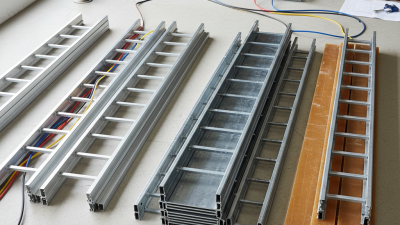
When exploring cable tray systems, various options stand out. Ladder trays are a popular choice. They provide great ventilation and easy cable placement. Their open design supports larger cables effectively. However, they can collect dust and debris. Regular maintenance is necessary.

Solid bottom trays offer a different approach. They protect cables from physical damage and environmental factors. This type keeps cables organized and secure. Yet, ventilation can be an issue. Overheating is a concern in certain installations.

Wire mesh trays present an attractive alternative. They allow flexibility and are lightweight. Their open structure supports cooling but may not provide the same protection as solid trays. Users often report challenges with cable sagging. Choosing the right tray depends on specific needs and conditions. Each type has pros and cons that require thoughtful consideration.

Top 10 Cable Tray Systems You Should Consider Today

Top 10 Cable Tray Systems: Features, Benefits, and Applications

Top 10 Cable Tray Systems You Should Consider Today?

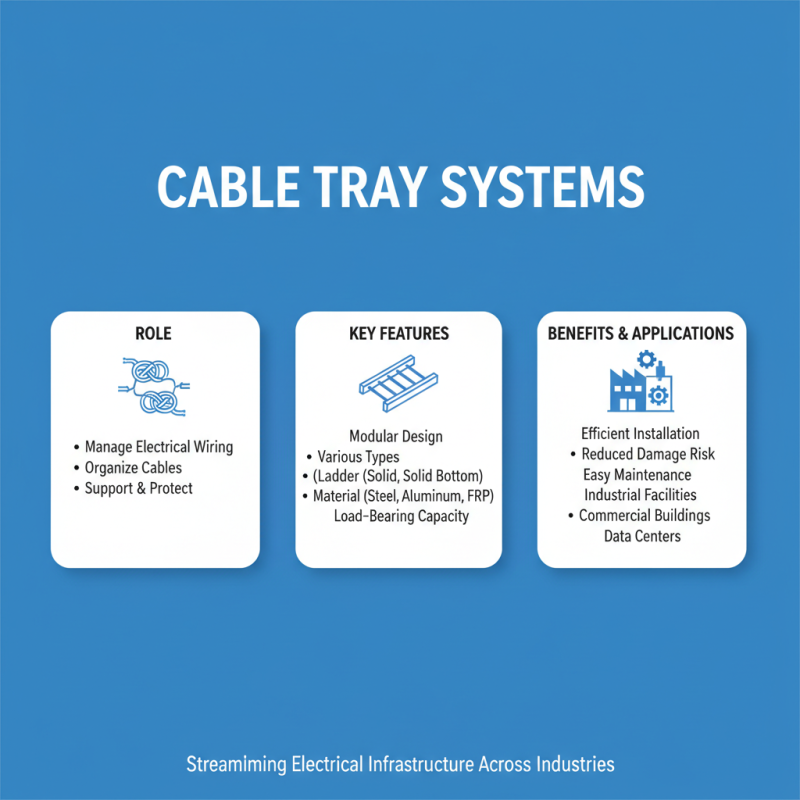
Cable tray systems play a crucial role in managing electrical wiring and cable organization across various industries. They provide efficient support while protecting cables from damage. These systems are designed with specific features, benefits, and applications that enhance their usability.

One standout feature is their adaptability. Cable trays come in different materials, such as steel, aluminum, and fiberglass. Each material serves unique environments. For instance, fiberglass trays resist corrosive conditions but may lack the strength of steel trays. A recent industry report highlights that sturdy trays can reduce cable damage by up to 40%. This durability keeps operational downtime low and saves costs.

Tip: Always assess your project needs before selecting a cable tray system. Understand the specific environment, load capacity, and expansion potential. Additionally, consider the future requirements of your infrastructure.

Another advantage of cable trays is their ventilation capability. The open design allows for air circulation, which helps prevent overheating. This is especially important in high-heat environments. Moreover, they facilitate easy maintenance. Technicians can quickly identify issues and access cables without extensive dismantling. However, it's vital to regularly inspect these trays to ensure they remain unobstructed.

Tip: Regular inspection can identify potential hazards early. Schedule checks at least once a month to maintain safety and efficiency. Remember, proactive maintenance is more cost-efficient than reactive fixes.

Installation and Maintenance Tips for Cable Tray Systems

Top 10 Cable Tray Systems You Should Consider Today?

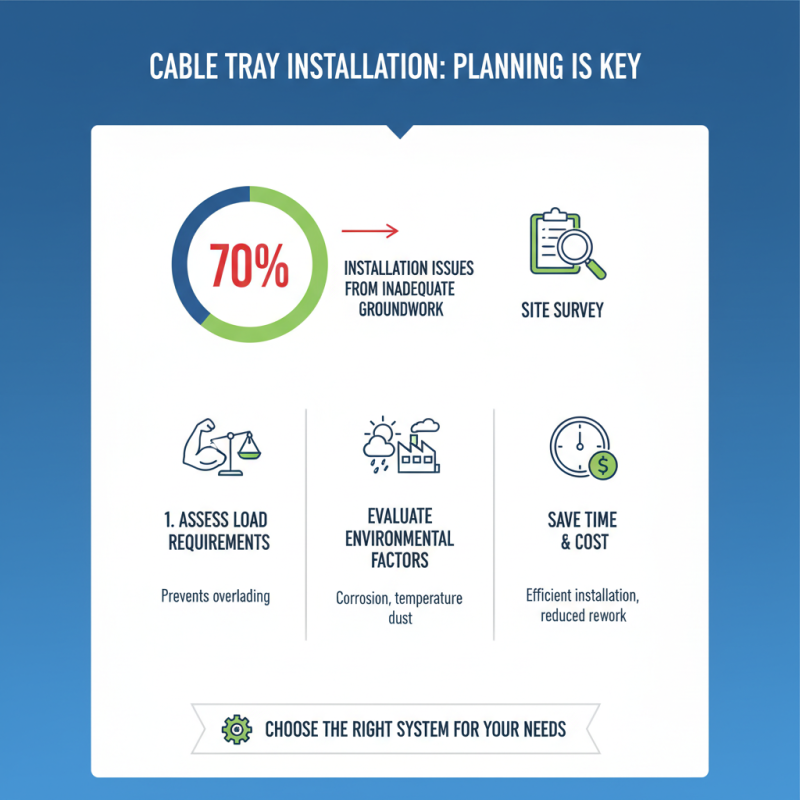
When it comes to the installation of cable tray systems, proper planning is essential. According to industry experts, around 70% of installation issues arise from inadequate groundwork. This highlights the importance of understanding your specific needs before choosing a system. Conducting a site survey can provide crucial information. Take the time to assess load requirements and environmental factors. This can save considerable time and cost later.

Maintenance is equally critical. Regular inspection can prevent significant issues down the line. It is recommended that systems be reviewed at least twice a year. Look for signs of wear or corrosion. Doing so can extend the lifespan of the cable trays significantly. A study by the Institute of Electrical and Electronics Engineers (IEEE) found that proactive maintenance can reduce overall system failure rates by up to 30%.

Tips: Always check for proper grounding connections. Ensure that the trays are securely mounted. Neglecting these details can lead to safety hazards or system inefficiencies. Identifying potential challenges early can lead to more effective solutions later. Pay attention to cable routing; improper setups can cause interference or damage to cables.

Comparative Analysis of the Leading Cable Tray Brands and Models

When choosing the right cable tray system, examine features closely. Different materials, such as steel and aluminum, offer unique benefits. Steel provides strength, while aluminum is lightweight and corrosion-resistant. Evaluate load capacities to ensure safety and efficiency.

Installations can get tricky. Ensure the design accommodates future expansions. A misunderstood design can lead to costly mistakes. It's important to think long-term. Choose trays that allow easy cable management. This prevents tangles and maintenance headaches later.

Tips for selecting the right system: Consider your environment first. Indoor and outdoor options differ significantly. Pay attention to the tray's depth. This affects the number of cables you can handle. A shallow tray may seem cost-effective but lacks flexibility for future needs. Prioritize systems that provide clear documentation and support as well.

Top 10 Cable Tray Systems You Should Consider Today

Model Material Load Capacity (lbs) Tray Width (inches) Length (ft) Price (USD)
Cable Tray A Steel 300 12 10 150
Cable Tray B Aluminum 250 18 10 200
Cable Tray C Plastic 150 24 5 75
Cable Tray D Fiberglass 200 12 15 120
Cable Tray E Steel 350 16 20 180
Cable Tray F Aluminum 300 20 12 220
Cable Tray G Plastic 100 30 6 50
Cable Tray H Fiberglass 180 14 10 90
Cable Tray I Steel 400 22 15 240
Cable Tray J Aluminum 280 10 5 65

Have Questions?

Talk to a product specialist today: 1-800-308-6788

Snake Tray Catalog

snake tray® CATALOG

the new catalog is here. AVAILABLE IN PRINT AND ONLINE.

DOWNLOAD A PDF REQUEST A PRINTED COPY
CALL US TODAY