Why Is Solar Cable Important for Solar Panels?

Solar panels may look like the heart of a photovoltaic system, but cables carry their energy safely to the inverter. A solar cable connects panels, protection devices, and other equipment under demanding outdoor conditions. It must handle sunlight, rain, heat, cold, and mechanical stress for many years. Ordinary electrical wire can deteriorate quickly when exposed to ultraviolet radiation. That damage may create resistance, heat, or dangerous insulation failures. Small choice, serious consequences.

Solar cable uses specialized insulation and conductor materials for direct-current applications. Its design helps reduce energy loss between the panel and inverter. Correct sizing matters because long cable runs can cause voltage drops. For example, a poorly sized cable may feel warm during strong midday production. Professional installers consider current, distance, ambient temperature, connector compatibility, and installation routes. They also check testing evidence against relevant standards, such as IEC 62930 or EN 50618. These references do not replace local electrical requirements.

However, no cable choice is perfect for every solar project. A rooftop system beside the sea faces different risks from a small garden installation. Salt air, sharp roof edges, and loose connectors can still shorten service life. I have seen how an apparently minor routing decision creates later maintenance problems. That practical reality deserves attention. Reliable installation combines suitable solar cable, verified connectors, careful termination, and regular inspection. This guide explains why cable quality affects system safety, performance, and long-term value. The subject sounds simple. It is not.
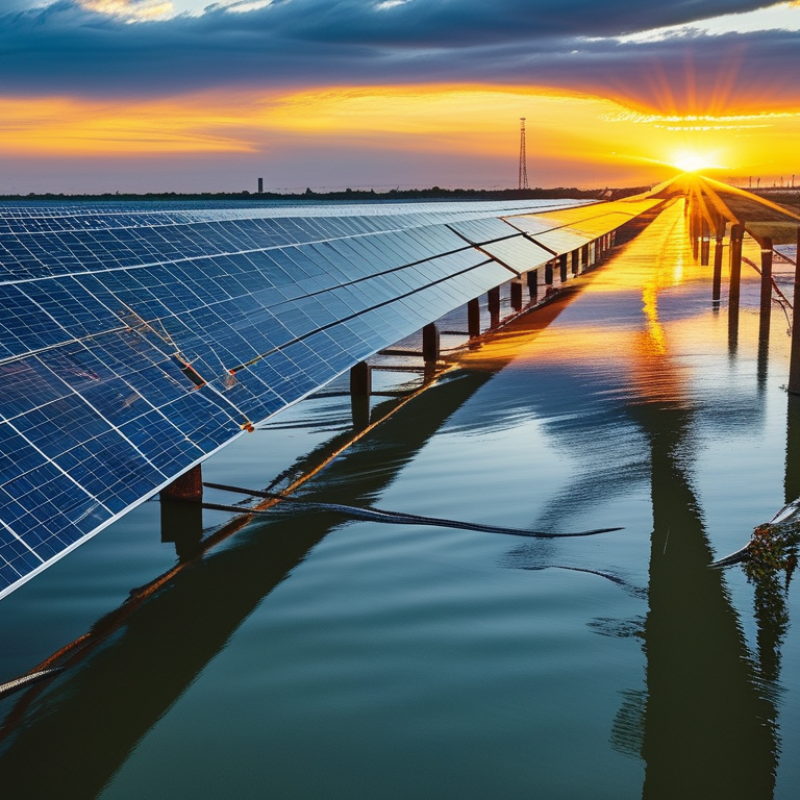
Why Is Solar Cable Important for Solar Panels?

What Is Solar Cable and How Does It Differ From Ordinary Wire?

Why Is Solar Cable Important for Solar Panels?

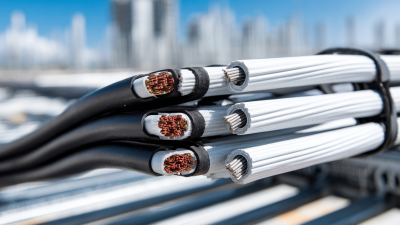
Solar cable is the purpose-built cable that carries direct current from solar panels to an inverter or other equipment. Unlike ordinary wire, it is designed for continuous outdoor exposure. Its insulation resists ultraviolet radiation, rain, ozone, heat, and temperature changes. Ordinary indoor wire may become brittle, crack, or lose insulation when installed under strong sunlight.

The jacket matters. Solar cable usually has flexible, finely stranded conductors, often copper, and stronger double insulation. This design helps it tolerate movement, tight routing, and repeated heating during daily operation. It also supports the voltage and current levels common in photovoltaic systems. In contrast, ordinary wire may have a suitable appearance but lack the required environmental or electrical rating. That difference matters.

On real installations, cable size must match current, distance, temperature, and allowable voltage drop. A cable that is too small can overheat and waste energy. A poorly selected connector can create resistance and heat at the joint. Cables should meet applicable photovoltaic standards, such as recognized requirements for outdoor solar wiring, and installation should follow local electrical rules. I have found that appearance is a weak guide. Even experienced workers can overlook routing near sharp metal edges or hot surfaces. Careful inspection, correct polarity, secure connections, and periodic checks remain necessary. Not every cable qualifies.

How Solar Cable Connects and Supports Solar Panel Systems

Why Is Solar Cable Important for Solar Panels?

Solar cable connects the panels, junction points, inverter, and protection equipment. It carries direct current through the solar system. A suitable cable must withstand sunlight, rain, heat, and repeated temperature changes. Its insulation protects the conductor from moisture and mechanical damage. Small details matter.

During installation, cable length and conductor size affect voltage loss. Longer runs may require larger conductors to maintain efficient power transfer. Installers should check the system voltage, current, temperature, and local electrical requirements before selecting cable. Matching connectors also matters because loose or incompatible connections can create heat. That risk is real.

Routing supports long-term reliability. Cables should remain secured, avoid sharp edges, and stay away from standing water. Excessive bends can stress the insulation and connection points. In field work, a neat cable path often makes inspection easier, but appearance alone proves little. I have seen tidy installations with poorly tightened terminals. Careful testing is still necessary.

Solar cable also helps separate power paths and supports safe maintenance. Clear labeling can reduce mistakes when technicians inspect or repair the system. Weather exposure may slowly weaken materials, even when the cable looks normal. Periodic checks should include insulation condition, connector heat marks, and signs of abrasion. A small overlooked defect can become a costly fault.

Why Is Solar Cable Important for Solar Panels? - How Solar Cable Connects and Supports Solar Panel Systems

System Area How Solar Cable Connects Important Cable Features Typical Technical Information Why It Matters
Solar Panel to Solar Panel Pre-assembled leads or locking PV connectors join panels in series or parallel circuits. Flexible stranded conductor, secure polarity identification, and weather-resistant connector compatibility. Common conductor sizes include 4 mm² and 6 mm²; the correct size depends on current, distance, and installation conditions. Creates a reliable electrical path while reducing the risk of loose, reversed, or mismatched connections.
Panel String to Combiner or Inverter The positive and negative string conductors carry direct current from the array to overcurrent protection, a combiner, or an inverter. Double insulation, resistance to sunlight and moisture, and suitability for outdoor installation. PV cable systems are commonly available with 600 V, 1,000 V, or 1,500 V DC ratings, depending on the cable design and system requirements. Maintains safe energy transfer at the higher voltage levels used by many photovoltaic arrays.
Inverter to Electrical Distribution Equipment After the inverter converts DC to AC, suitably rated AC conductors connect the inverter with distribution equipment or the utility connection point. The cable must be selected for AC voltage, current, installation method, temperature, and local electrical requirements. AC wiring is not automatically interchangeable with DC PV cable; conductor and insulation ratings must match the circuit. Supports safe connection between solar generation equipment and the building or grid distribution system.
Outdoor Rooftop Routing Cables are routed beneath or alongside modules and secured to approved supports without creating sharp bends or unsupported loops. UV resistance, ozone resistance, temperature tolerance, abrasion resistance, and protection against water ingress. Many PV cables use cross-linked insulation and are designed for prolonged outdoor exposure; the actual rating must be verified on the cable marking. Reduces insulation aging, mechanical damage, cable sagging, and accidental contact with sharp roof materials.
Conductor Selection Conductors are selected according to circuit current, one-way cable length, ambient temperature, grouping, and allowable voltage drop. Copper provides high conductivity and flexibility; aluminum can reduce weight and cost but generally requires larger cross-sectional area and suitable terminations. Common PV conductor cross-sections range from approximately 2.5 mm² to 10 mm² in many small and medium installations. Correct sizing limits overheating and electrical losses while helping the system deliver more usable energy.
Voltage-Drop Control The cable carries current over the complete circuit path, so both the outgoing and returning conductors contribute to voltage drop. A larger conductor, shorter route, or lower-resistance material decreases voltage drop. Voltage drop is calculated from current, total circuit length, conductor resistance, and conductor cross-sectional area; the acceptable limit is set by design practice and local rules. Helps prevent avoidable power loss and supports stable inverter operation.
Connector and Termination Safety Cable ends are terminated with compatible, correctly crimped connectors or approved terminals. Correct contact pressure, matching connector types, polarity control, sealing, and strain relief are essential. A poor termination can create contact resistance, localized heating, arcing, and premature failure even when the cable itself is correctly sized. Protects system performance and reduces the possibility of electrical faults at connection points.
Standards and Identification Cable markings and installation documentation identify conductor type, voltage rating, temperature rating, and applicable certification. Products may be manufactured to photovoltaic cable requirements such as IEC 62930 or EN 50618, where applicable to the project. Color coding commonly distinguishes positive and negative conductors, but polarity must still be verified with suitable test equipment. Improves inspection, maintenance, traceability, and compliance with electrical installation requirements.
Long-Term Reliability The cable forms a continuous connection between energy-producing modules, protective devices, and conversion equipment throughout the system life. Durable insulation, suitable bend radius, mechanical protection, and resistance to environmental stress are critical. Cable service life depends on product construction, installation quality, temperature exposure, UV exposure, moisture, and mechanical conditions. Reliable solar cable helps preserve system safety, energy yield, and maintainability over years of operation.

Why Solar Cable Matters for Safety, Efficiency, and Durability

Why Is Solar Cable Important for Solar Panels?

Solar cable matters because it carries direct current through heat, sunlight, moisture, and changing temperatures. Ordinary wire may crack under ultraviolet exposure or lose flexibility after years outdoors. Proper solar cable uses durable insulation and strong conductors for photovoltaic systems. Small details matter. Its design helps reduce electrical leakage, insulation damage, and accidental contact with energized parts.

Efficiency depends on more than the panel’s rated output. An undersized cable creates higher resistance, causing voltage drop and wasted energy. The cable length, operating current, ambient temperature, and installation method should guide the conductor size. A practical inspection should also check firmly seated connectors, clean contact surfaces, and protected cable routes. Loose connections can create heat. Heat changes everything.

Durability requires careful installation, not only a weather-resistant product. Cables should avoid sharp edges, standing water, excessive tension, and contact with hot surfaces. Their bend radius must follow the manufacturer’s instructions. UV exposure also varies between rooftops, ground systems, and shaded areas. A cable can look acceptable while hidden damage develops inside. This is where qualified installers, documented testing, and regular visual checks add real value. Even experienced teams can overlook a poorly supported section, so reviewing the installation after severe weather is a sensible habit.

Which Features Make Solar Cable Suitable for Outdoor Use?

Why Is Solar Cable Important for Solar Panels?

Solar cable carries electricity between panels, charge controllers, and inverters. Its outdoor design matters because rooftop systems face sunlight, rain, heat, and physical stress every day. A suitable cable uses insulation that resists ultraviolet exposure and cracking. It should also tolerate wide temperature changes without becoming brittle or excessively soft. In hot weather, poor insulation can deteriorate faster than expected. That risk deserves attention.

Water resistance is another essential feature. Cable jackets and connectors should help prevent moisture from reaching conductive parts. Secure connections reduce electrical resistance and unwanted heat. The cable should remain flexible enough for neat routing around rails and roof edges. At the same time, it must resist abrasion where movement or sharp surfaces may occur. Correct size matters too, because an undersized cable can increase voltage loss and heat. Installation guidelines and applicable electrical standards should always be checked.

Tips: Inspect the cable after severe weather. Look for fading, cuts, swelling, loose connectors, or exposed conductors. Keep cables away from standing water and sharp metal edges. Do not rely on appearance alone; a cable may look fine while its insulation has weakened. One common mistake is leaving extra cable loosely coiled on a hot roof. Better routing improves safety and service life. Still, even careful installation cannot remove every risk, so periodic professional inspection remains sensible.

How to Choose and Install the Right Solar Cable for Your Panels

Why Is Solar Cable Important for Solar Panels?

Choosing the right solar cable protects energy flow, equipment, and people. A cable can look thick and still be wrong. Select cable rated for outdoor sunlight, moisture, temperature changes, and the system’s maximum voltage. Check the expected current and cable length before choosing the cross-sectional area. Longer runs may need larger conductors to limit voltage drop. Use matching connectors with secure seals, not improvised combinations.

Installation requires equal care. Switch off the system and verify that no circuit remains energized. Route cables away from sharp metal edges, standing water, and areas where animals could chew them. Use UV-resistant clips, leaving enough slack for thermal movement. Keep polarity consistent. Poor polarity checks can damage equipment. Proper crimping matters too; a loose terminal may heat under load. After installation, inspect every connection, then test continuity, insulation, and polarity with suitable instruments. Follow local electrical requirements and use a qualified installer when the system exceeds your experience.

Tips: Measure the route before buying cable. Add a small service loop, but avoid loose coils on the roof. Keep positive and negative cables together where practical. Recheck connectors after severe weather. I once underestimated a cable run, and the voltage drop was noticeable. That mistake was preventable.

Why Is Solar Cable Important for Solar Panels?

Solar cable size affects voltage loss, system efficiency, heat generation, and installation safety. The chart compares the calculated voltage drop for different copper cable cross-sections in a 20 m DC circuit carrying 10 A at 400 V. Larger cables have lower resistance and reduce energy loss.

Values are based on copper resistivity of 0.0175 Ω·mm²/m and include the complete 20 m circuit loop. Final cable selection should also consider maximum current, ambient temperature, installation method, cable length, and local electrical requirements.

Have Questions?

Talk to a product specialist today: 1-800-308-6788

Snake Tray Catalog

snake tray® CATALOG

the new catalog is here. AVAILABLE IN PRINT AND ONLINE.

DOWNLOAD A PDF REQUEST A PRINTED COPY
CALL US TODAY